Introduction
When travelers think about Switzerland cultures, they often imagine snow-covered Alps, cheese fondue, chocolate, and precision watches. But some of the most authentic Swiss cultural traditions are rooted in small local customs and historic seasonal markets that have been celebrated for centuries. Among these, the Zibelemärit, or Onion Market in Bern, stands out as one of the most charming and historically rich cultural festivals in the country. Taking place annually on the fourth Monday of November, this early morning harvest festival transforms Bern’s old town into a vibrant maze of colorful onion braids, farm stalls, folk traditions, and joyful celebrations.
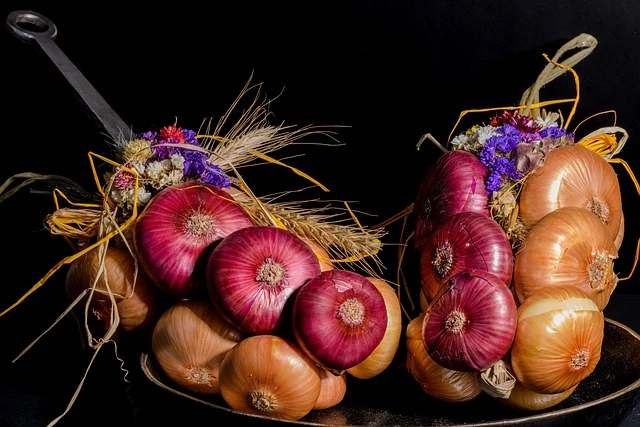
While the name might sound simple, Zibelemärit is far more than a market — it is a living expression of community, agricultural heritage, winter preparation rituals, and Bernese pride. For visitors, it offers a rare opportunity to witness an authentic side of Swiss rural identity inside a capital city known for its political formality and UNESCO-listed architecture.
Origins and Historical Roots
The history of Zibelemärit stretches back more than 600 years, and while the precise origin is debated by historians, two major accounts are widely shared.
1. The Gratitude Tradition Theory (Most Popular Legend)
One of the most cherished stories says that after a devastating fire in the city of Bern in 1405, local farmers from the nearby Freiburg (Fribourg) region came to help rebuild the town. In appreciation for their support, Bern granted them the privilege of selling onions inside the city walls each year — and the tradition continued unbroken through generations.
This story highlights a deeper cultural code in Switzerland: solidarity between communities and honoring historic promises, which remains an important societal value.
2. The Farmer’s Winter Market Theory (Documented Tradition)
Another explanation, supported by records from the 15th century, suggests the Onion Market was originally part of a winter preparation market where local farmers brought storage vegetables such as onions, garlic, beans, and root crops into the city before the first frosts of winter.
Over time, onions became the symbolic centerpiece of the event, and the market eventually took on its modern identity.
Regardless of which origin one prefers, both theories point to the same cultural truth: Zibelemärit is a celebration of agricultural resilience, local trade, and the seasonal rhythm of Swiss rural life.
The Festival Day: A Cultural Ritual More Than a Market
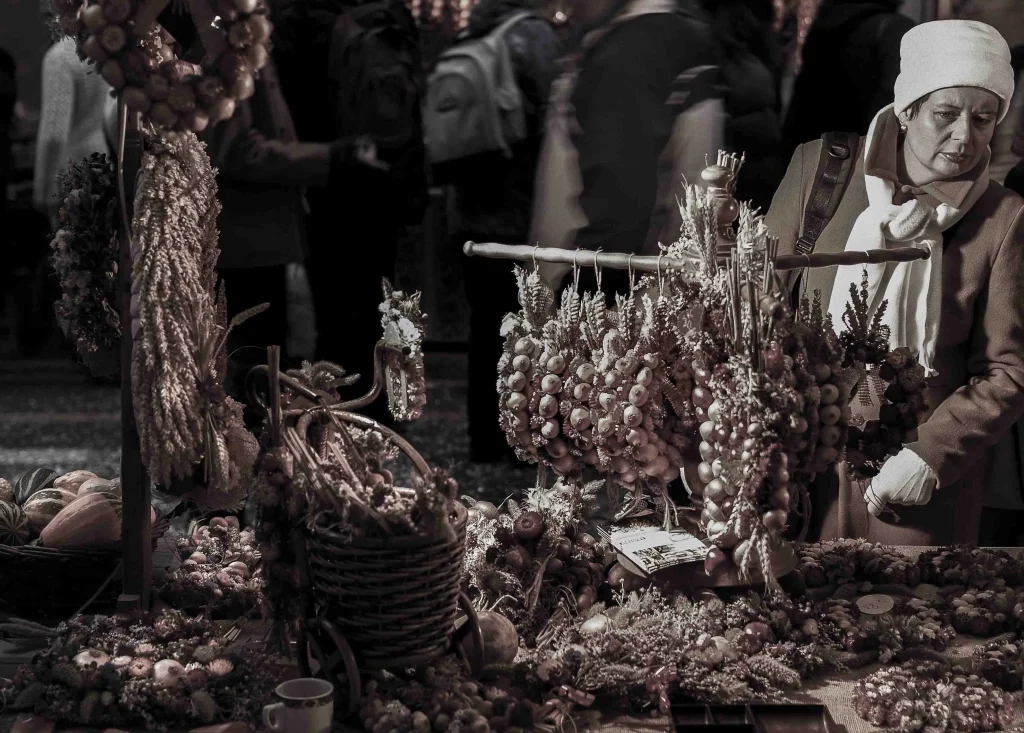
Unlike modern festivals that start mid-morning, Zibelemärit begins before sunrise. As early as 5:00 a.m., the old town streets begin to fill with sellers arriving from surrounding farming villages. By 6:00 a.m., the historic arcades, narrow alleys, and main squares are lined with meticulously arranged towers of onion braids, woven in decorative patterns and tied with ribbons and flowers.
This early start is not accidental — it reflects a deep Swiss farming tradition where daily life historically began before dawn, especially during the winter season.
Cultural Symbolism of the Onion
In many European cultures, the onion is just a cooking ingredient. But in the context of Zibelemärit, it represents:
| Symbol | Cultural Meaning |
|---|---|
| Harvest abundance | Gratitude for the year’s crop |
| Winter preparation | Self-sufficiency and preservation |
| Health & home | “Keeping warmth through the cold months” |
| Community | Farmers bringing life into the city |
The beautifully braided onions sold at the market are rarely just for cooking — many are bought as decorative gifts, carried home as a symbol of good fortune for the winter months.
For travelers interested in authentic Switzerland cultures, this kind of symbolic layering is one of the most fascinating aspects: a simple vegetable carries centuries of economic history, rural tradition, and emotional meaning.
A Living Cultural Heritage
One of the reasons Zibelemärit still feels authentic is that it has not been commercialized or turned into a tourist spectacle. Although tourists attend, the festival is still deeply rooted in its original purpose — a farmers’ seasonal market tied to community identity. There are no corporate sponsors, no modern stage performances, no artificial reenactments. Everything is grounded in ordinary life and continuity of tradition.
In this sense, the market functions as a living museum of pre-industrial culture — not frozen in time, but still evolving naturally through the rhythm of everyday life.
Experiencing Zibelemärit as a Visitor
For anyone seeking authentic Switzerland cultures, visiting the Zibelemärit is like stepping into a living tapestry of tradition. From the moment you enter Bern’s Old Town early in the morning, you are greeted by the unmistakable scent of fresh onions mingled with the crisp November air. Cobblestone streets lined with centuries-old sandstone buildings set the stage for a market experience unlike any other in Switzerland.
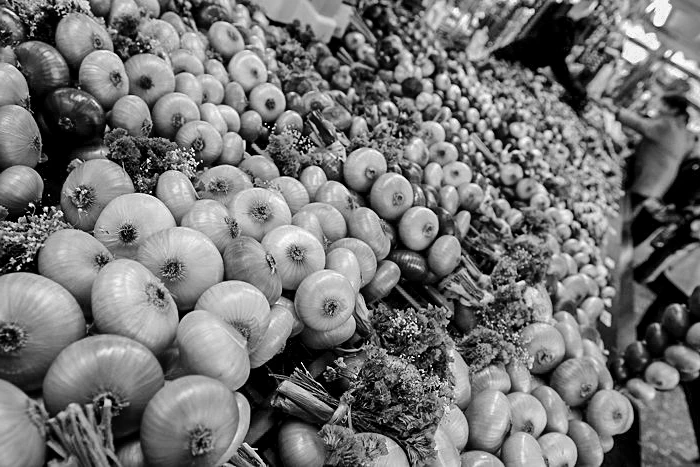
While the festival has deep cultural and agricultural roots, it is also a vibrant sensory experience. Visitors can wander through the maze of stalls, each piled high with golden onions braided into artistic patterns, some adorned with flowers, ribbons, and miniature figurines. The sight of these towering braids, combined with the hum of early-morning chatter, is immediately captivating.
The Morning Rituals
The Zibelemärit is not a festival that peaks at noon; its energy is strongest in the early hours. Farmers and vendors arrive with their horse-drawn carts, wheelbarrows, and crates of onions. The streets gradually fill with families, tourists, and locals, all moving slowly through the market. By around 7:00–8:00 a.m., the main squares of Bern are bustling, yet the atmosphere remains relaxed and intimate — a stark contrast to the crowded, commercialized markets found in major European cities.
Visitors who rise early are rewarded with the full authentic ambiance: children running with onion garlands, elderly locals negotiating prices, and artisans demonstrating traditional braiding techniques. This interaction with locals provides a genuine window into Swiss communal life, where the festival is as much about social bonding as it is about commerce.
Market Stalls & Cultural Highlights
The market is divided into several types of stalls, each offering a unique cultural perspective:
- Onion Braids & Decorative Arrangements – The central feature of the market. Some stalls display intricate patterns and sculptures made entirely from onions, a tradition passed down through generations. These braids are often purchased as gifts or seasonal decorations.
- Handmade Crafts & Souvenirs – Visitors can find wooden carvings, seasonal wreaths, and small trinkets that reflect Bernese craftsmanship. These items often carry symbolic meanings linked to harvest, protection, and good fortune.
- Local Produce – While onions dominate, many stalls sell other local vegetables, jams, and cheeses, allowing visitors to sample the tastes of traditional Swiss winter preparations.
- Children & Playful Traditions – Families attending Zibelemärit often engage children in playful customs such as small competitions for the most artistic onion braid or participating in short folk games in open squares.
These elements combine to create a multi-sensory festival experience, making it not only culturally informative but also highly memorable for tourists.
Cultural Significance & Local Pride
For Bernese citizens, Zibelemärit is more than a market — it is an expression of local identity and continuity. The festival is a time when urban and rural life intersect: farmers bring their harvest to the city, and city dwellers reconnect with the rhythms of agricultural life. This symbolic bridging between the rural and urban communities exemplifies the values of cooperation, respect for tradition, and appreciation of the land, which are central to Swiss culture.
Visitors can witness subtle cultural rituals that have persisted for centuries: bargaining in a friendly manner, exchanging small gifts, and showing respect for the skill of onion braiding. For outsiders, participating in these customs is a rare chance to immerse in authentic Switzerland cultures without the artificiality often found in modern cultural exhibitions.
Atmosphere & Photography Tips
Zibelemärit offers endless opportunities for photographers and cultural enthusiasts alike. Key elements to capture include:
- Morning Light & Cobblestone Streets: The soft November sunrise against Bern’s sandstone buildings creates a warm, golden backdrop.
- Colorful Onion Braids: The central visual motif of the festival. Pay attention to decorative patterns and floral accents.
- People & Interactions: Capture the dynamic between vendors, families, and children engaging in traditional customs.
- Artisan Techniques: Focus on close-ups of braiding demonstrations and handmade crafts to showcase cultural detail.
Walking slowly, observing interactions, and engaging with vendors allows visitors to document the festival authentically, rather than as a staged tourist event.
Emotional Connection & Cultural Immersion
One of the reasons Zibelemärit is considered a must-visit experience for understanding Switzerland cultures is its ability to evoke emotion. From the excitement of early morning activity to the beauty of meticulously braided onions, visitors gain a sense of time, place, and human continuity. This is not a festival designed purely for outsiders — it is lived and cherished by locals, which is precisely what makes it culturally authentic.
Even for repeat visitors to Switzerland, attending Zibelemärit offers a new perspective: a glimpse of the heart and rhythm of Bernese life, a tradition carried with pride across generations, and a vivid example of how local customs can survive and thrive alongside modernity.
Hotels Near Bern for Festival Visitors
Attending Zibelemärit is easier when staying close to Bern’s Old Town, where the market takes place. Here’s a selection of convenient options across different tiers, with approximate USD prices:
Luxury:
- Hotel Schweizerhof Bern & THE SPA – A historic 5-star hotel offering elegant rooms and modern spa facilities, just steps from the Old Town. Prices range from $450–$600/night. Website
- Bellevue Palace Bern – Iconic luxury hotel overlooking the River Aare, combining classical charm and contemporary comfort. Prices $400–$550/night. Website
Mid-Range:
- Hotel Allegro Bern – Contemporary hotel with excellent city views, restaurants, and central location. Prices $200–$300/night. Website
- Hotel Savoy Bern – Comfortable, classic style with convenient access to Old Town attractions. Prices $180–$250/night. Website
Budget-Friendly:
- ibis Styles Bern City – Modern and simple, great for short stays during the festival. Prices $120–$180/night. Website
- Youth Hostel Bern – Affordable option for students and backpackers, close to the city center. Prices $50–$100/night. Website
Staying near the Old Town allows visitors to arrive early, soak in the festival’s morning energy, and walk between the market and other cultural landmarks without relying on transportation.
Nearby Attractions in Bern
Visitors attending Zibelemärit can easily combine the festival experience with exploration of Bern’s rich cultural and historical heritage, enhancing the understanding of Switzerland cultures:
- Bern Old Town (Altstadt) – A UNESCO World Heritage site, famous for medieval architecture, cobblestone streets, fountains, and arcades. Perfect for a pre-market stroll or post-market exploration.
- Zytglogge (Clock Tower) – Iconic 13th-century clock tower with an elaborate astronomical clock. Visitors can watch the clock’s mechanical figures perform on the hour.
- Bern Munster (Cathedral of Bern) – Gothic cathedral featuring one of Switzerland’s tallest spires and impressive stained glass windows.
- Bear Park – A short walk from the Old Town, home to Bern’s symbolic bears. The park combines nature and local tradition in a family-friendly environment.
- Rosengarten (Rose Garden) – Offers panoramic views of Bern’s Old Town, the River Aare, and surrounding Alps. A scenic spot for photography and reflection after wandering through the market.
Extended Cultural Insights
Zibelemärit is more than a market; it is a microcosm of Swiss cultural identity. For centuries, it has symbolized community cooperation, seasonal cycles, and rural-urban interaction. The festival embodies values that are central to Switzerland cultures:
- Respect for Tradition: From braided onions to handcrafts, each element reflects careful preservation of heritage.
- Local Pride: Bernese citizens participate enthusiastically, reflecting deep civic identity and continuity.
- Agricultural Heritage: The market is a living link to Switzerland’s agrarian past, demonstrating the ongoing importance of rural life even in modern cities.
- Seasonal Awareness: The timing of Zibelemärit aligns with winter preparation, illustrating the Swiss cultural relationship with natural cycles.
For foreign visitors, attending the festival offers a rare, immersive cultural experience. It is not merely entertainment; it is an opportunity to witness centuries of living history, to understand how rural and urban life intertwine, and to connect with a tradition that has been cherished across generations. This dual experience — both observational and participatory — is what makes Zibelemärit a key example of Switzerland cultures in practice.
Why Zibelemärit is a Must-See Cultural Experience
Whether you are a history enthusiast, a cultural traveler, or simply someone seeking authentic experiences in Switzerland, the Onion Market in Bern provides a rich, multi-layered journey. From the intricate braids of golden onions to the early-morning energy of farmers and locals, the festival offers:
- Visual delight – colorful decorations and historic architecture
- Sensory immersion – smells, sounds, and tastes of traditional produce
- Cultural education – insights into Swiss traditions, values, and community life
- Photographic opportunities – capturing the essence of Bern and its people
Unlike commercialized festivals, Zibelemärit remains rooted in authenticity, which is increasingly rare in modern travel. Visitors leave with memories of connection, cultural understanding, and appreciation for both the people and heritage of Bern.
Conclusion
In conclusion, the Zibelemärit (Onion Market) is a perfect representation of Switzerland cultures: a harmonious blend of history, agriculture, local pride, and community spirit. It allows visitors to witness the past and present intersect beautifully in a way that is engaging, educational, and memorable. Staying nearby, exploring Bern’s Old Town, and immersing yourself in the festival’s lively atmosphere ensures a deep, enriching experience that goes far beyond a simple market visit.
For anyone planning a cultural journey through Switzerland, Zibelemärit is not only an event to attend — it is an experience to live and remember, a celebration that connects visitors with the authentic heartbeat of Swiss life.