
Introduction to the Food Culture of Switzerland
The food culture of Switzerland is far more diverse than many travelers first realize. Most people imagine chocolate, fondue, and mountain cheese plates, but Swiss cuisine is actually formed by four cultural regions — German, French, Italian, and Romansh. Each region carries its own food traditions, shaped by geography, climate, agriculture, and centuries of local craftsmanship.
Swiss food is not just about taste — it is a reflection of identity, history, seasonality, and survival. In alpine villages, recipes were once tied to preservation, harvests, and winter sustainability. In lakeside regions, cuisine revolves around fresh produce, fruit, herbs, and fish. In Ticino, on the southern slope of the Alps, food draws deeply from Mediterranean agriculture and slow, natural evolution of flavors.
This is what makes Switzerland such a remarkable culinary country:
small in size, but incredibly rich in regional character.
Among all regions, Ticino stands out for its warmth, rustic simplicity, and direct connection to the land. And at the heart of this regional food identity is a single ingredient that fed generations long before modern refrigeration and tourism — the chestnut.
Ticino and Its Culinary Identity
Ticino is Switzerland’s Italian-speaking region, bordering northern Italy. Unlike the snowy alpine image many associate with Switzerland, Ticino has a Mediterranean soul: palm trees by the lakes, stone-roofed villages on terraced hillsides, vineyards carved into the slopes, and outdoor dining that feels more Italian than Swiss — yet still unmistakably Swiss in discipline, quality, and local pride.
Food here tells a story of resourcefulness and seasonality. For centuries, the terrain made large-scale wheat production difficult, and chestnut forests became a lifeline. Chestnuts were dried, milled, cooked, roasted, and turned into breads, porridges, soups, and desserts. They were not a specialty — they were the foundation of the local diet.
Even today, Ticino’s cuisine retains its ancestral rhythm:
- Slow cooking traditions
- Handcrafted ingredients
- Small-scale local producers
- Recipes inherited through families
- A lifestyle that celebrates ingredients as cultural memory
Chestnuts are more than food here — they are heritage. They represent the time when families survived long winters through local forests and shared tradition instead of abundance. The landscape shaped the cuisine, and the cuisine shaped local identity.
Cultural History of Chestnuts in Switzerland
Long before potatoes and corn were introduced to Europe, chestnuts were considered the “bread tree” of the southern Alps. In Ticino, chestnut forests were planted and carefully maintained, like living agricultural orchards. For nearly a thousand years, chestnuts functioned as a staple crop, especially in winter months when other sources of nourishment were scarce.
Communities ground chestnuts into flour, dried them in stone huts called graa, and shared roasted chestnuts during annual gatherings. The first signs of winter and seasonal change were always tied to chestnut harvests. The annual chestnut season was not merely dietary — it was social, cultural, and spiritual.
This is why chestnuts became a symbol of:
- Local resilience
- Communal care
- Seasonal rhythm
- Rural craftsmanship
- Culinary memory
Even when modern crops replaced them as a primary food source, chestnuts never disappeared from Ticino’s cultural life. They shifted from necessity to heritage — from daily sustenance to celebratory tradition. Today they represent continuity, authenticity, and regional pride.
Origins and Meaning of Fête de la Châtaigne
The Fête de la Châtaigne — the Chestnut Festival of Ascona — was created to honor this history and keep the tradition alive. What was once a quiet seasonal harvest ritual among families evolved into a cultural celebration that invites locals and travelers to taste Ticino’s living heritage.
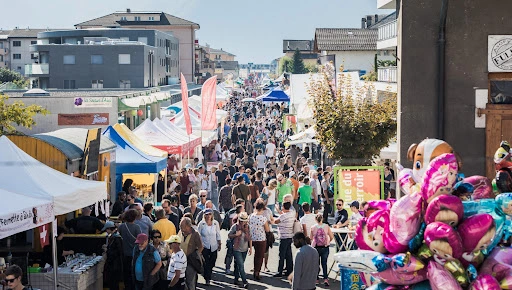
The festival takes place in the charming lakeside town of Ascona, where the old cobblestone streets and elegant lake promenade form a natural open-air stage. During the festival, the town becomes a living culinary village: chestnuts roasting in large copper pans, families preparing old recipes, artisans displaying ancient tools, and musicians reinforcing a warm, communal ambiance.
Unlike modern food festivals that are driven by tourism or commercial branding, the Fête de la Châtaigne is deeply rooted in origin. It does not simply display food — it reminds Ticino of who it is, and it shows visitors what authentic Swiss-Italian culture feels like when it is lived, not just observed.
This is why the festival perfectly represents the food culture of Switzerland:
- It connects land to table
- It honors regional identity
- It preserves intergenerational tradition
- It keeps rural knowledge alive
- It shows that Swiss cuisine is shaped by history and landscape
Traditional Foods and Dishes Celebrated at the Festival
The heart of the Fête de la Châtaigne lies in its food. Chestnuts are prepared in multiple forms, demonstrating both the simplicity and depth of Ticino’s culinary heritage. The most iconic preparation is the roasted chestnut, cracked open while still warm and eaten by hand — a symbol of the festival’s rustic authenticity.
But beyond roasting, the festival features:
- Chestnut polenta blended with local cheese
- Chestnut bread made from stone-milled flour
- Marroni (sweet glazed chestnuts, a regional specialty)
- Chestnut soup simmered slowly with herbs
- Chestnut cakes and pastries, often paired with honey
- Vermicelles, a dessert of sweetened chestnut puree
- Seasonal plates combining cured meats, alpine cheese, and chestnut sides
What makes these dishes powerful cultural symbols is not complexity, but continuity. The recipes come from agricultural necessity — designed for nourishment, preservation, and seasonality — yet they now represent comfort, memory, and identity.
Visitors quickly realize that chestnut cuisine is not a novelty; it is a window into daily life before modern convenience. The flavors are earthy, humble, and naturally tied to the rhythm of the land. Eating these foods is not just tasting a dish — it is experiencing a living tradition.
Local Producers and Slow Food Heritage
Part of what makes the Chestnut Festival so culturally meaningful is its connection to the Slow Food philosophy — a movement born to protect traditional agriculture, artisan producers, and sustainable farming. In Ticino, chestnuts are harvested not by large corporations, but by local families, cooperatives, and small-scale growers who maintain forests, cure the chestnuts, and keep centuries-old techniques alive.
These producers are the carriers of knowledge:
- How to select the right variety of chestnut
- How to dry and store them naturally
- How to grind flour without losing aroma
- Which woods are best for roasting
- How to preserve chestnut forests sustainably
The festival gives them a platform — not just to sell food, but to preserve a cultural ecosystem. Many of them see their role not as business owners but as guardians of heritage. Without their work, this culinary tradition would disappear to modernization, replaced by mass manufacturing and standardized taste.
In this way, the Fête de la Châtaigne is not merely a celebration — it is a form of cultural protection. It ensures that Swiss food culture remains rooted in people, place, and tradition rather than consumption alone.
How the Festival Preserves Swiss-Italian Food Culture
Switzerland is a multilingual nation, and each region protects its identity differently. In Ticino, cuisine is the strongest expression of culture — more powerful than architecture or language alone. The Chestnut Festival plays a crucial role in that preservation.
It protects Ticino’s cultural identity by:
- Keeping seasonal traditions alive
- Passing recipes across generations
- Maintaining agricultural landscapes
- Supporting small farmers instead of industrial suppliers
- Teaching visitors the story behind the food
Most Swiss festivals celebrate history or religion — but this one celebrates earth, harvest, and nourishment. It shows that the food culture of Switzerland is not based only on dishes, but on the relationship between people and nature.
Visitors experience culture not as something displayed behind glass, but as something shared at a table, tasted by hand, and rooted in a place. That intimacy is what makes this festival feel uniquely authentic.
Visitor Experience and Seasonal Traditions
The Fête de la Châtaigne typically takes place in early to mid-autumn, when the first cold breeze arrives and the forests turn golden. The atmosphere is warm, communal, and seasonal — a reminder that food culture is most meaningful when tied to a moment in nature.
The visitor experience is immersive:
- The smell of roasting chestnuts fills the streets
- Market stalls offer handmade products and preserves
- Musicians perform traditional Ticinese folk songs
- Local artisans carve wood, press oil, and mill flour
- Families gather in the piazza to share seasonal dishes
There is no barrier between spectator and tradition — everyone participates. Even tourists feel like part of the rhythm: lining up for roasted chestnuts, chatting with farmers, tasting homemade liqueurs, learning how chestnut flour is made.
Small details create emotional authenticity:
- Hot chestnuts warming the hands on a cool afternoon
- The crackling sound of roasting pans
- The smoke carrying the aroma through the air
- Elders teaching children how to peel chestnuts properly
- Locals describing recipes the way others speak of family stories
This is not a festival designed to impress — it is one designed to belong. That sense of belonging is why it perfectly represents the food culture of Switzerland: grounded, local, respectful of history, and meant to be shared.
Hotels Near Ascona (for Festival Visitors)
For visitors attending the Fête de la Châtaigne, staying close to Ascona allows full immersion in the festival experience while enjoying the scenic charm of Ticino. Here are some recommended options across different budgets:
Luxury Hotels
- Hotel Castello del Sole, Ascona – Elegant lakeside resort with spa, fine dining, and extensive gardens. Rooms $600–$1,000 USD/night
- Giardino Ascona – Modern luxury with wellness center, rooftop terraces, and lake views. Rooms $450–$750 USD/night
Mid-Range Hotels
- Hotel Garni Muralto – Comfortable rooms with terrace views, centrally located in Ascona. Rooms $200–$350 USD/night
- Hotel Eden Roc – Lakeside hotel combining classic Swiss design and modern comfort. Rooms $300–$500 USD/night
Budget-Friendly Hotels & Guesthouses
- Ostello Ascona – Youth hostel style, ideal for budget travelers. Rooms $50–$120 USD/night
- Pension Casa Vega – Cozy, family-run guesthouse with local charm. Rooms $80–$150 USD/night
Staying in these accommodations ensures easy walking access to festival events, market stalls, and lakeside promenades, enhancing the visitor experience and connection to local culture.
Nearby Cultural and Scenic Attractions
Ticino is more than chestnuts; it offers a rich tapestry of cultural and natural experiences that complement the festival:
- Lake Maggiore – Stunning lake views, boat tours, and lakeside dining
- Monte Verità – Historical hilltop retreat known for alternative culture and wellness, hosting exhibitions and gardens
- Brissago Islands – Botanical gardens with exotic plants and panoramic lake views
- Locarno Old Town – Medieval streets with cafés, artisan shops, and historic architecture
- Gandria Village – Picturesque lakeside village showcasing traditional Ticino architecture and cuisine
Visiting these attractions allows festival-goers to contextualize Ticino’s food culture within its broader environment — the lakes, mountains, historic towns, and Mediterranean-inspired landscapes that shaped local cuisine for centuries.
Why Fête de la Châtaigne Represents Swiss Food Culture
Fête de la Châtaigne is more than a seasonal market — it is a living museum of Swiss food heritage, showing how cuisine connects people, land, and tradition. Its significance can be summarized in key cultural insights:
- Seasonal Awareness: The festival celebrates autumn harvests and the rhythm of nature, reminding visitors that Swiss cuisine is tied to the land and the seasons.
- Regional Identity: Ticino’s chestnut-based dishes distinguish the Italian-speaking region, highlighting Switzerland’s culinary diversity.
- Community Engagement: Local families, artisans, and producers actively participate, reinforcing intergenerational knowledge and communal pride.
- Culinary Sustainability: Traditional farming and small-scale production emphasize slow food principles over industrial mass production.
- Experiential Learning: Attendees see, taste, and interact with heritage practices, making food culture tangible and memorable.
In short, the festival exemplifies how Swiss food culture is more than meals — it is identity, history, landscape, and social cohesion expressed on a plate.
Conclusion
Switzerland’s food culture is a tapestry woven from diverse regions, climates, and histories, and the Fête de la Châtaigne offers one of the most authentic windows into this world. Through chestnuts, recipes, and communal celebration, the festival encapsulates:
- The heritage of Alpine and Mediterranean-influenced Ticino
- The relationship between people and land in Swiss culinary traditions
- The continuity of family, local producers, and traditional recipes
- The blend of culture, seasonality, and social connection
For travelers seeking a rich cultural experience that goes beyond sightseeing, attending this festival is an immersive lesson in Swiss identity through food. Roasting chestnuts, tasting seasonal dishes, walking cobblestone streets, and engaging with local artisans are experiences that embody the spirit of Switzerland — grounded, authentic, and deeply connected to both history and environment.
Whether you are a foodie, a culture enthusiast, or a traveler eager to witness living traditions, the Fête de la Châtaigne provides a unique, flavorful lens through which to explore the food culture of Switzerland.




Alanobetcasino, never heard of it! Gotta investigate, right? Always on the lookout for new places to try my luck. Hoping for a good selection of table games, maybe some blackjack and roulette. Might throw a few bucks their way to see what’s up. You should too: alanobetcasino