🎉 Discovering Traditional Switzerland Culture Through Basel Fasnacht Festival
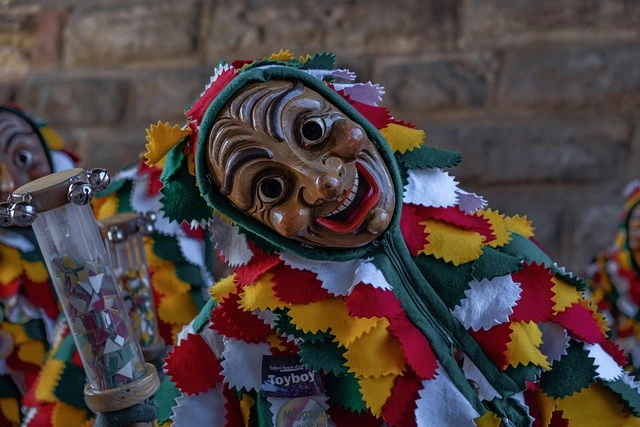
If you truly want to experience traditional Switzerland culture, there’s no better way than attending the Basel Fasnacht Festival — Switzerland’s largest and most colorful carnival celebration. Held every year in February or March, this 3-day event transforms the old city of Basel into a lively world of parades, masks, lanterns, and traditional music that perfectly captures the spirit of Swiss heritage.
🎭 The Heart of Swiss Tradition
Basel Fasnacht is deeply rooted in Swiss history, dating back to the 14th century. What makes it unique is its mix of humor, satire, and artistry — all expressed through handmade costumes, giant drums, and painted lanterns that fill the medieval streets. Locals prepare for months, designing intricate masks called “Larven” and joining musical groups known as “Cliques.”
When the clock strikes 4:00 a.m. on Monday morning, the city goes dark — and suddenly, thousands of masked performers march through the streets holding glowing lanterns. This dramatic moment, called “Morgestraich,” marks the official start of the carnival and is considered one of the most authentic experiences of traditional Switzerland culture.
🎶 Music, Masks & Meaning
The sound of piccolo flutes and drums echoes through the streets, accompanied by laughter and confetti storms. Every performance carries a message — from political jokes to stories about daily Swiss life. It’s a cultural celebration that blends art, history, and humor into one unforgettable experience.
🍲 Taste the Culture
Food plays an important part in the festival too. Locals enjoy:
- Mehlsuppe (flour soup)
- Zwiebelwähe (onion tart)
- Basler Läckerli (traditional spiced cookies)
Tasting these local dishes is the perfect way to connect with the warm hospitality and flavors that define traditional Switzerland culture.
🏨 Where to Stay
Stay close to the old town for the best festival access:
- Hotel Basel – From around $190/night, just steps away from Morgestraich route.
- Nomad Design & Lifestyle Hotel – Around $210/night, modern comfort with Swiss charm.
- Motel One Basel – From $160/night, perfect for budget travelers who want a cozy stay near all the action.
📸 Travel Tip
Arrive a day early to explore Basel’s medieval streets and the Rhine riverfront. Wear warm clothes — nights can be cold — and don’t forget to try local mulled wine sold by street vendors during the parades.
❤️ Final Thoughts
The Basel Fasnacht Festival is more than just a carnival — it’s a living showcase of traditional Switzerland culture, where art, humor, and history come alive. Whether you’re watching the glowing lanterns, tasting local delicacies, or joining the joyful crowd, you’ll feel the heartbeat of Swiss tradition that has been passed down for centuries.
🔥 Sechseläuten Festival – A Fiery Celebration of Traditional Switzerland Culture (Zurich)
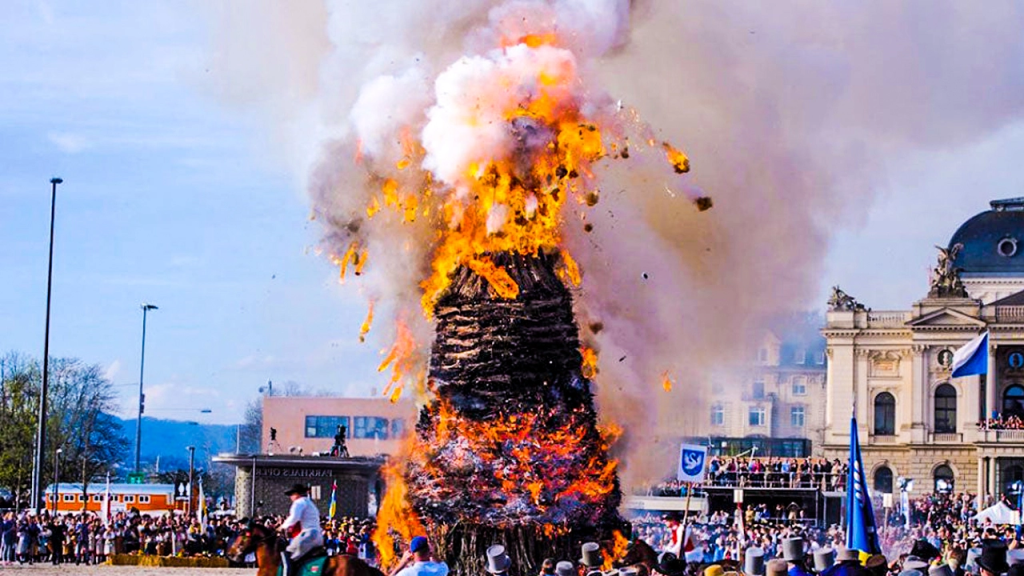
Every spring, Zurich comes alive with the Sechseläuten Festival, one of the oldest and most symbolic traditions in Switzerland. Dating back to the 16th century, the festival marks the end of winter and the joyful arrival of spring — something deeply rooted in traditional Switzerland culture.
The centerpiece of the event is the burning of the Böögg, a giant snowman filled with fireworks, on a huge bonfire in the city’s Bellevue Square. According to legend, the quicker the Böögg’s head explodes, the warmer and sunnier the upcoming summer will be.
The festival also features colorful parades of Zurich’s ancient guilds (Zünfte), where locals march proudly in medieval costumes, accompanied by horses, bands, and traditional Swiss music. In the evening, crowds gather by Lake Zurich to watch the fire and share laughter, food, and stories — blending community spirit and heritage beautifully.
🏨 Where to Stay:
- Storchen Zurich (Luxury, from $420/night) – Classic charm beside the Limmat River
- Hotel Alexander Zurich (Mid-range, from $180/night) – Great location near Old Town
- EMA House Hotel Suites (Comfort, from $250/night) – Modern yet traditionally Swiss
📸 Travel Tip: Arrive early for a good viewing spot by the lake and stay till dusk to see Zurich glow against the firelight — it’s one of the most unforgettable experiences of traditional Switzerland culture.
🐄 Alpabzug (Désalpe) – A Rustic Glimpse into Traditional Switzerland Culture

When summer ends, the Swiss countryside bursts into celebration as farmers bring their cows down from the Alpine meadows — a centuries-old ritual called the Alpabzug (or Désalpe in French-speaking regions).
The cows are decorated with floral crowns, ribbons, and large brass bells, while herders dress in traditional Swiss costumes, creating a living parade of traditional Switzerland culture. Locals line the village streets to cheer, play music, and sample regional food like raclette, Alpine cheese, and apple tarts.
This event celebrates gratitude — for nature, for the animals, and for the end of another successful summer season in the mountains. Each village adds its local touch; in Appenzell, there are yodeling groups and cheese markets, while in Gruyères, folk dances and alphorn performances accompany the parade.
🏨 Where to Stay:
- Hotel de Gruyères (from $190/night) – Overlooks the medieval town and mountains
- Romantik Hotel Säntis, Appenzell (from $220/night) – Cozy and elegant Alpine vibe
- Hotel Jungfrau, Lauterbrunnen (from $200/night) – Perfect base to explore Swiss valleys
📸 Travel Tip: Visit during mid to late September and check local tourism sites for event schedules. Each region celebrates on a different weekend, giving you the chance to experience multiple parades.
🧅 Zibelemärit (Onion Market) – A Sweet and Savory Slice of Traditional Switzerland Culture (Bern)

In late November, the Swiss capital Bern transforms into a fragrant, colorful wonderland for the Zibelemärit, or Onion Market — one of the most charming and cheerful expressions of traditional Switzerland culture.
Starting at dawn, hundreds of farmers arrive with thousands of hand-braided onion garlands decorated with ribbons, flowers, and figures. The air smells of roasted onions and sweet pastries, while locals enjoy Zwiebelwähe (onion tart), Glühwein (hot mulled wine), and handmade crafts.
The market is centuries old, dating back to the 1400s, when Bernese farmers were granted a special right to sell onions in the city after helping rebuild it following a fire. It’s not just about food — it’s a celebration of gratitude, friendship, and community.
By midday, the quiet morning atmosphere transforms into playful chaos as children throw confetti and locals sing and laugh through the streets. It’s a joyful, down-to-earth celebration of everyday Swiss life and a great way to feel part of traditional Switzerland culture.
🏨 Where to Stay:
- Hotel Bellevue Palace (Luxury, from $380/night) – Historic elegance next to Parliament
- Best Western Hotel Bern (from $210/night) – Close to market square
- Hotel Kreuz Bern (from $160/night) – Great for budget travelers near Old Town
📸 Travel Tip: Visit early morning (around 6 a.m.) to see the market before the crowds and enjoy the scent of fresh onion braids and baked treats.
🎵 Federal Yodeling Festival – The Musical Soul of Traditional Switzerland Culture

Every three years, Switzerland’s yodelers, alphorn players, and folk dancers gather in one host city for the grand Federal Yodeling Festival (Eidgenössisches Jodlerfest) — one of the most heartwarming showcases of traditional Switzerland culture.
Yodeling began as a form of mountain communication between farmers in the Alps, but today it has become a cherished art form representing unity and pride. At the festival, thousands of performers dressed in regional attire fill the town squares with melodic echoes that bounce off the mountains.
The event also features parades, folk music competitions, and traditional markets selling local delicacies like cheese fondue, Rösti, and Bratwurst. Visitors are welcome to join the celebrations, listen to live performances, and learn about Swiss musical heritage firsthand.
📍 Where to Experience It:
The host city changes every three years — recent editions were held in Interlaken, Zug, and Brig. The next one is expected in 2026.
🏨 Where to Stay:
- Hotel Interlaken (from $220/night) – Historic charm surrounded by Alps
- Parkhotel Zug (from $240/night) – Stylish with a mountain view
- Hotel Ambassador Brig (from $180/night) – Central and convenient
📸 Travel Tip: Bring a camera or recorder — the sound of 1,000 yodelers singing together against the Alpine backdrop is an unforgettable moment in traditional Switzerland culture.
Any other details Contact Us…